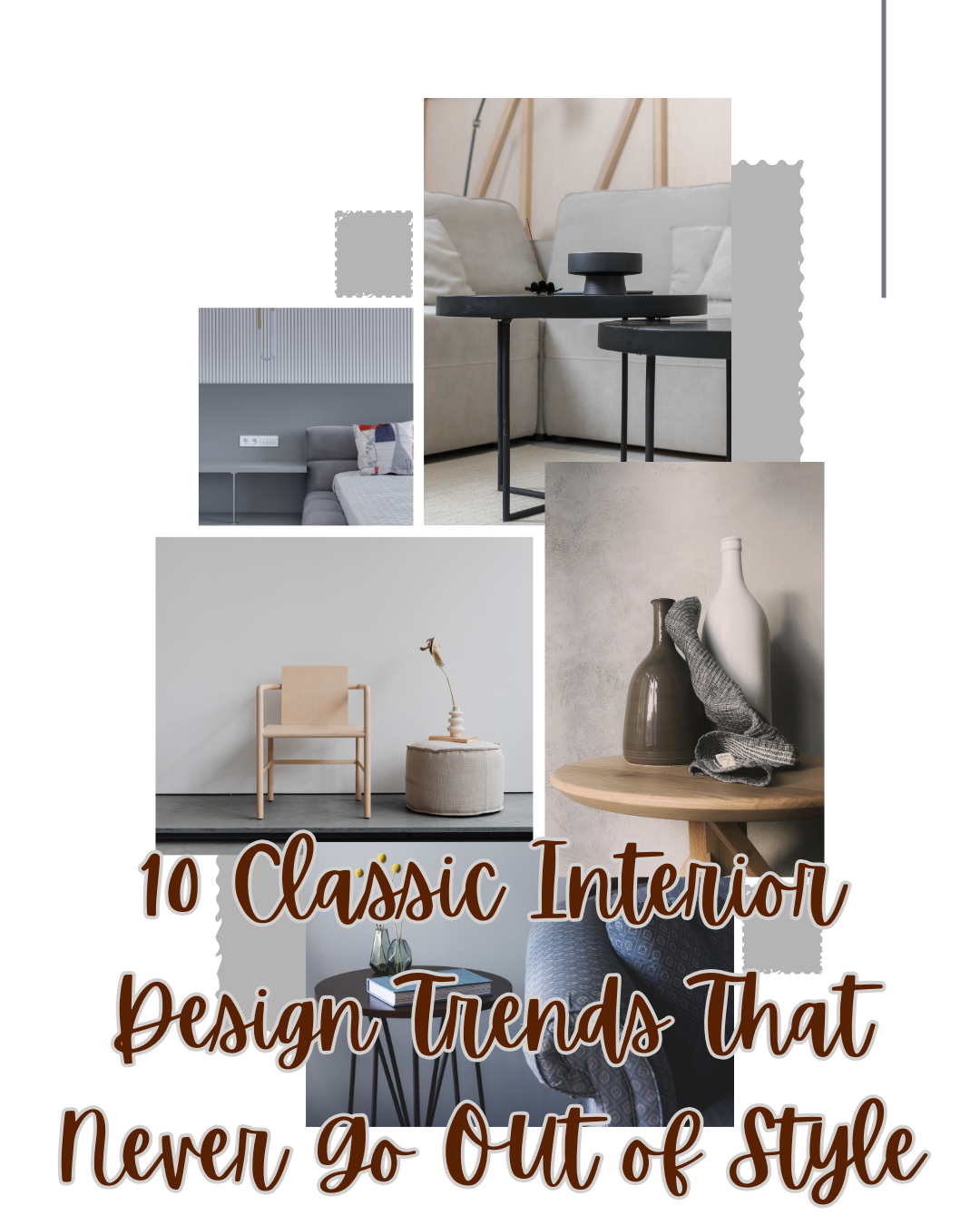
Do you know your design style?

The Four Main Classic Styles of Interior Design

Understanding classic interior design styles helps homeowners make confident, informed decisions when designing or remodeling their spaces. While trends evolve, these four enduring styles, Traditional, Transitional, Contemporary, and Modern continue to shape beautiful, livable homes.

Whether you are planning a full renovation or refreshing a single room, identifying the style that best suits your lifestyle is the first step toward a cohesive and timeless interior.
(Learn more about our
Interior Design Services.)


Traditional Interior Design Style

Traditional interior design is rooted in history, craftsmanship, and timeless elegance. Inspired by European and early American interiors, this style emphasizes symmetry, classic detailing, and a sense of permanence that never goes out of style.

Furniture in traditional interiors is refined and substantial. Wood pieces in rich finishes such as cherry, walnut, or mahogany anchor the space, while upholstered furnishings, think rolled-arm sofas, wingback chairs, and tailored accent chairs, add comfort and familiarity. These are pieces designed to last, both in quality and aesthetic appeal.

Color palettes are warm and layered. Soft neutrals like cream, beige, and taupe provide a welcoming backdrop, while deeper hues such as navy, forest green, or burgundy add depth and contrast. Pattern is often introduced through textiles, including subtle florals, stripes, or damasks.

Architectural details are a defining element of traditional design. Crown molding, wainscoting, built-in cabinetry, and decorative trim add character and visual interest. Lighting is thoughtfully layered using chandeliers, sconces, and table lamps to create a warm, inviting glow.

Traditional interior design is ideal for homeowners who value elegance, comfort, and timeless beauty.
(Explore our
Interior Design Services to see how we can bring classic elegance to your home.)


Transitional Interior Design Style

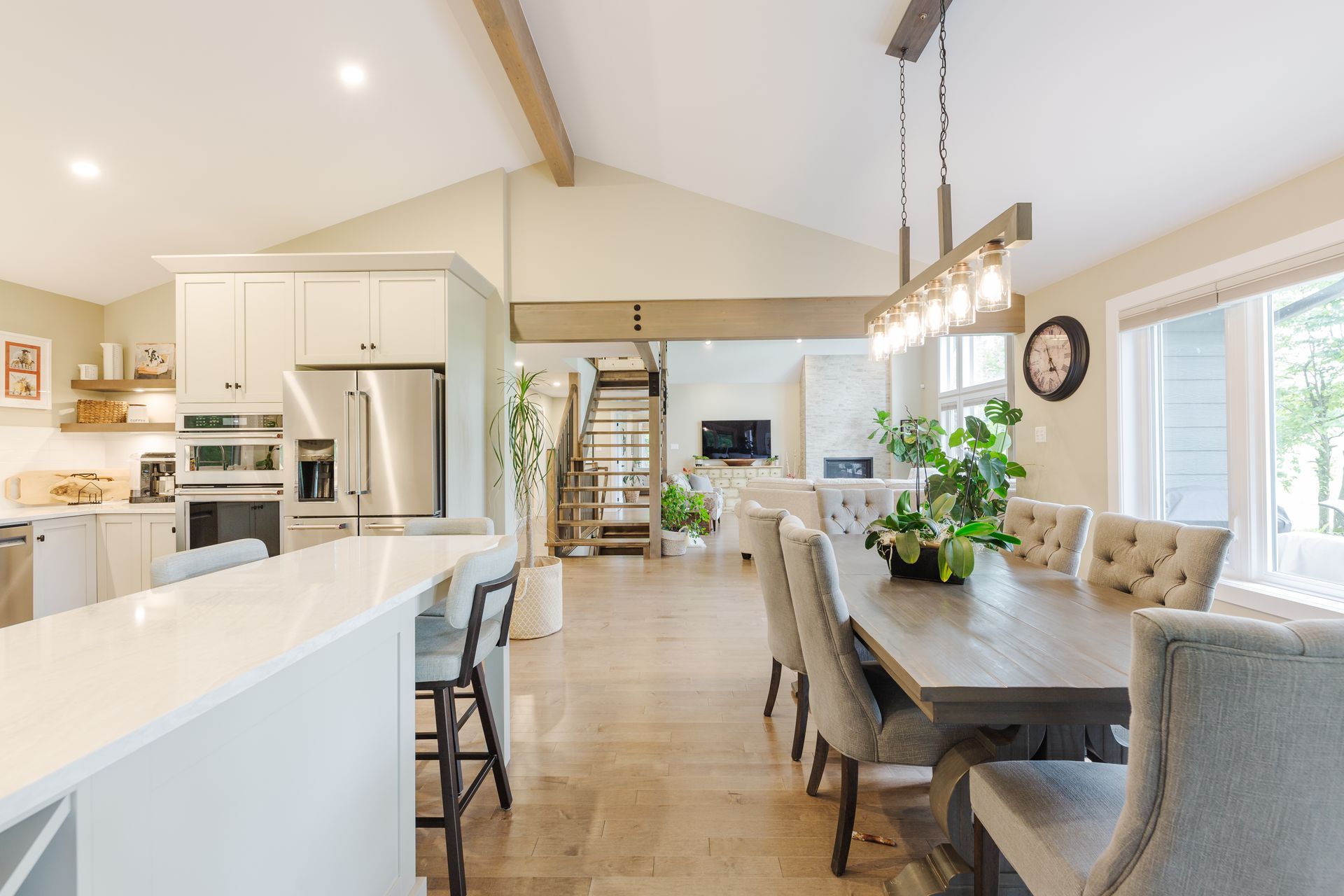
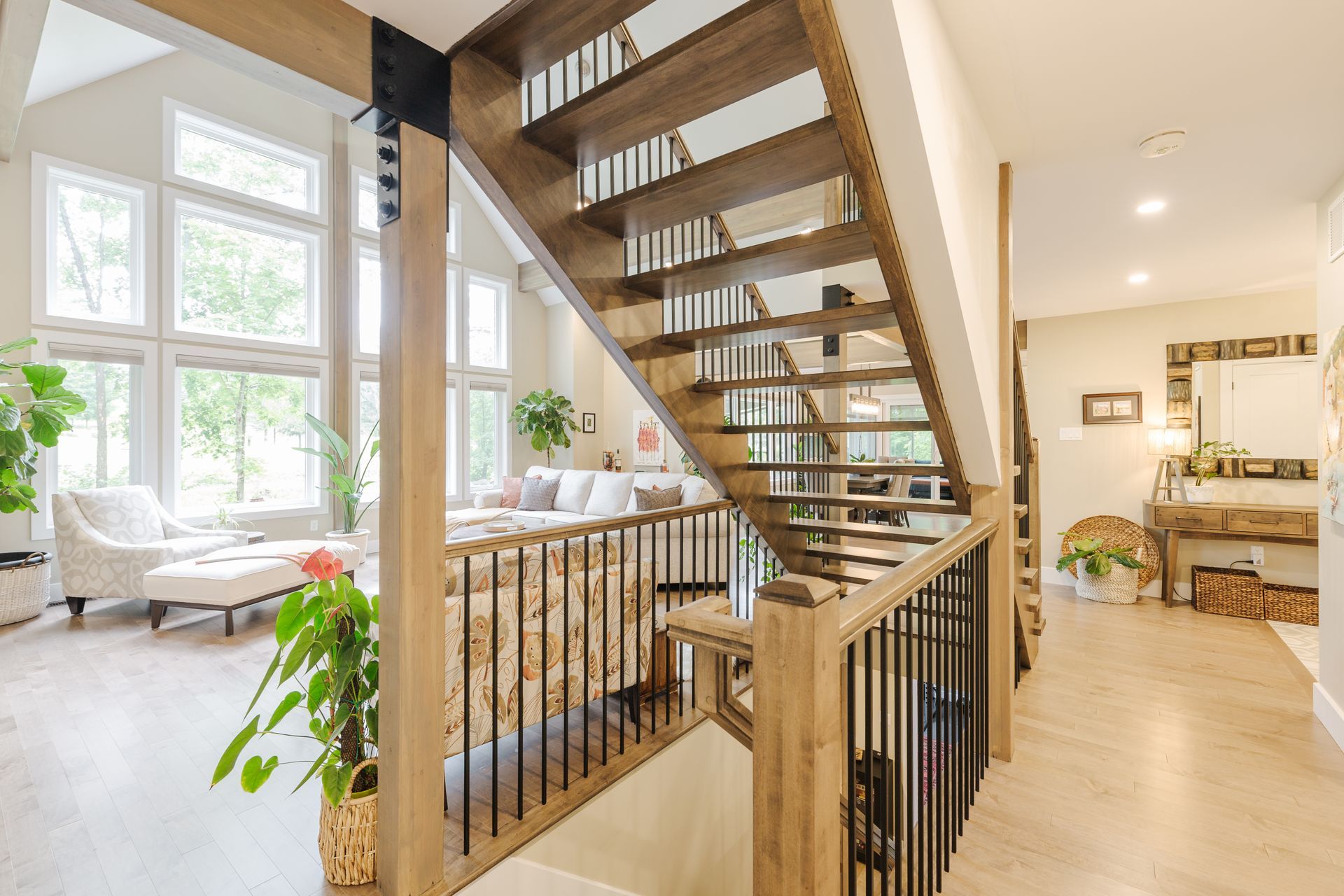
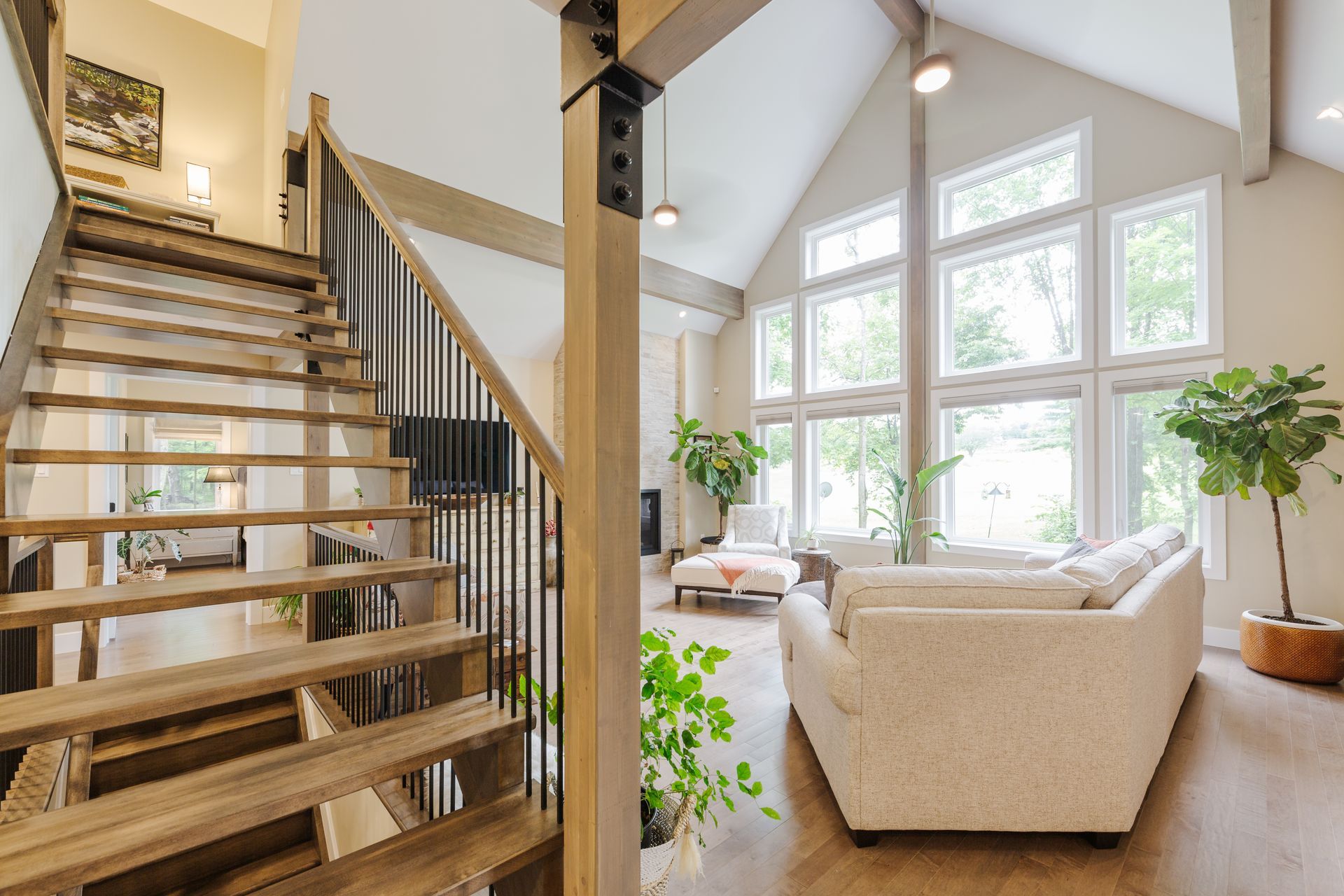
Transitional interior design blends the best of traditional and contemporary styles, creating spaces that feel polished, current, and highly livable. It is one of the most popular design styles today due to its versatility and broad appeal.

Furniture in transitional homes is comfortable yet streamlined. Ornate details are softened, silhouettes are cleaner, and upholstery focuses on texture rather than pattern. The result is a relaxed elegance that feels intentional without being formal.

Color palettes are calm and cohesive, often centered around soft neutrals such as ivory, beige, gray, and warm whites. Visual interest comes from layering textures such as linen, leather, wood, stone, and metal rather than bold color contrasts.

Transitional design thrives on balance. Classic furniture shapes or architectural elements are paired with modern lighting, minimal accessories, or contemporary artwork. This thoughtful mix keeps interiors feeling timeless while still fresh.

This style is ideal for homeowners seeking a long-term design that adapts easily as tastes evolve.
(Learn more in our
Design Philosophy.)


Contemporary Interior Design Style

Contemporary interior design reflects how we live today. Rather than being tied to a specific era, it evolves with current influences, technology, and lifestyles, resulting in interiors that feel clean, intentional, and sophisticated.

This style emphasizes open spaces, strong lines, and minimal clutter. Furniture is often streamlined and sculptural, allowing materials and form to take center stage. Every piece is carefully chosen, reinforcing a “less but better” approach to design.

Neutral color palettes form the foundation of contemporary interiors, with whites, grays, and soft earth tones creating a serene backdrop. Bold accents introduced through art, lighting, or statement furniture add personality and contrast.

Lighting is a defining feature. Architectural lighting, statement pendants, and layered illumination enhance both function and ambiance, ensuring the space feels welcoming throughout the day.

Contemporary design is ideal for homeowners who appreciate simplicity, innovation, and refined aesthetics.


Modern Interior Design Style

Modern interior design originated in the early to mid-20th century and is grounded in the principle that form follows function. This style focuses on clean lines, honest materials, and purposeful design choices that stand the test of time.

Modern interiors favor open layouts and uncluttered spaces. Furniture is streamlined and functional, often featuring low profiles, straight lines, and minimal ornamentation. Each element serves a purpose, creating a sense of calm and balance.

Natural materials play a central role. Warm woods, stone, leather, and metal add texture and depth, preventing the space from feeling stark. These materials age gracefully, reinforcing the timeless nature of modern design.

Color palettes are restrained and harmonious, built around whites, grays, and warm neutrals. Pops of color are used sparingly, allowing architecture and materials to remain the focal point.

Modern design appeals to homeowners who value clarity, intentional living, and understated elegance.


Choosing the Right Interior Design Style for Your Home

Each of these classic interior design styles offers a unique approach to creating a beautiful home. The right choice often comes down to how you live, what makes you feel most comfortable, and how you want your space to function day to day.

Working with a professional interior designer helps translate these styles into a home that feels cohesive, personal, and timeless.
(Learn more about our
Interior Design Services or call us to chat about your personal style.

Let's chat about how I can help.

Schedule Your Free Consultation
By Barbara Emami November 19, 2025
Creating a home that feels both stylish and functional often comes down to thoughtful details and intentional choices. While colour schemes and textures are important, the way you furnish, light, and accessorize a space can make or break its comfort and personality. Here are six essential design guidelines to help elevate your home. 1. Mix and Match Furniture for Interest Gone are the days when everything had to perfectly match. Mixing furniture styles, materials, and finishes can create a room that feels layered, personal, and dynamic. For example, pairing a modern sofa with a vintage side table or combining wooden dining chairs with metal accents adds visual intrigue and makes a space feel curated rather than staged. The key is balance: keep some continuity in colour palette or scale, but don’t be afraid to mix shapes, textures, and eras. This approach allows your personality to shine through and gives each room a sense of depth and story. 2. Never Rely on a Single Light Source Lighting shapes mood, highlights features, and defines functionality in a space. One overhead fixture rarely provides enough flexibility or warmth. Instead, consider layering light: combine ceiling lights, floor lamps, table lamps, and wall sconces. Each source serves a different purpose, ambient, task, or accent, and together they create a more welcoming and versatile environment. Layered lighting also allows you to adapt the room for different times of day and activities, whether it’s a cozy evening with a book or a lively dinner party. 3. Kitchens Need Task Lighting While ambient lighting sets the overall mood, kitchens require dedicated task lighting to make cooking and food prep safe and efficient. Under-cabinet lights, pendant lamps over islands, and strategically placed recessed lighting ensure work surfaces are well illuminated. Task lighting doesn’t have to be purely functional; stylish pendants or sleek under-cabinet LED strips can become design features in their own right, adding both beauty and practicality. 4. Dimmers Are a Must Installing dimmers is one of the simplest ways to add flexibility and ambiance to a space. Being able to adjust lighting intensity allows a room to transition from bright and functional to soft and relaxing in seconds. Dimmers are particularly valuable in living rooms, bedrooms, and dining spaces, giving you complete control over mood without the need for multiple switches or complex installations. 5. Storage Should Be Pretty as Well as Functional Clutter-free spaces are a joy to live in, but storage doesn’t need to be purely utilitarian. Attractive shelving, stylish baskets, built-in cabinetry with decorative fronts, and open storage with thoughtful organization can turn practicality into design. By integrating storage that complements your décor, you create a home that’s both tidy and visually appealing proving that functionality and beauty can coexist seamlessly. 6. Artwork Doesn’t Need to Match Art is a reflection of personal taste, not a strict interior design rule. While coordinating colour tones or frames can help unify a gallery wall, perfectly matching pieces aren’t necessary. Curating a mix of styles, sizes, and mediums often produces a more compelling and authentic look. A large abstract painting can coexist with family photos, prints, or vintage finds, creating a layered, engaging gallery that tells your story. Bringing It All Together Following these six design guidelines - mixing furniture, layering lighting, prioritizing task lighting in kitchens, installing dimmers, combining beauty with functional storage, and embracing eclectic art creates a home that’s not only visually interesting but practical for everyday life. The beauty of these principles is their flexibility. They can be adapted to any style, space, or budget, allowing your home to evolve over time while remaining functional, inviting, and uniquely yours. Small thoughtful choices make a big difference in turning a house into a truly lived-in, loved home.
By Barbara Emami November 19, 2025
Choosing the Perfect Paint Sheen for Any Room When it comes to painting a room, most people focus on colour — but the finish, or sheen, of your paint can have just as much impact on the overall look and feel. The right sheen not only affects aesthetics but also durability, maintenance, and even the perception of space. Selecting the perfect paint sheen can transform a room from ordinary to polished and help your design last for years to come. Understand the Different Sheens Paint sheen refers to the level of gloss or shine a paint has once it dries. Common sheens include: Matte / Flat : Non-reflective and soft, ideal for hiding imperfections on walls and ceilings. Offers a smooth, sophisticated look but can be harder to clean, making it better for low-traffic areas. Eggshell : Slightly more lustrous than matte, eggshell has a gentle sheen that’s easier to wipe down. Great for living rooms, dining rooms, and bedrooms. Satin / Pearl : A subtle sheen with more durability, perfect for high-traffic areas like hallways, kitchens, and bathrooms. Its gentle shine adds warmth without appearing too glossy. Semi-Gloss : Noticeably shiny and extremely durable, semi-gloss works well for trim, doors, cabinetry, and areas prone to moisture. Gloss / High-Gloss : Highly reflective and bold, often used for furniture, trim, or statement walls. It’s striking but will highlight imperfections if overused on walls. Match Sheen to Function Consider how the room is used. Kitchens, bathrooms, and children’s playrooms benefit from washable finishes like satin or semi-gloss. Bedrooms and living areas are better suited to matte or eggshell, which create a soft, cozy atmosphere while hiding wall imperfections. Factor in Light and Mood Sheen affects how light interacts with your space. Higher sheens reflect more light, making a room feel brighter and more energetic, while matte finishes absorb light for a calm, intimate vibe. Consider both natural and artificial lighting when choosing your finish. Use Sheen Strategically Mixing sheens can add subtle depth. For example, a matte wall paired with semi-gloss trim or doors creates visual contrast without adding colour. This approach emphasizes architectural details and elevates the design. Bottom Line Choosing the right paint sheen is about balancing durability, function, and aesthetics. Understanding how each finish performs in different spaces ensures your walls not only look beautiful but stay beautiful over time. A well-chosen sheen can subtly shape mood, highlight design details, and make your home feel cohesive and polished.
By Barbara Emami November 19, 2025
The Ever-Changing Home: Small, Low-Commitment Ways to Add Big Character Not everyone is ready to commit to a bold wallpaper, a custom sofa, or a dramatic architectural change and that’s perfectly okay. Some people love the thrill of reinvention, the freedom to refresh a space on a whim, or the flexibility to adapt a room to their moods and seasons. The good news? You don’t need major renovations or lifelong decisions to bring true character into your home. In fact, some of the most personality-rich interiors are built on small, thoughtful touches that can evolve over time. Whether you’re a serial redecorator, a renter, or simply someone who gets décor FOMO every few months, here are the many small, low-commitment ways to bring character into your space, all without locking yourself into anything you can’t easily undo. Start With the Power of Textiles Textiles are the ultimate non-committal design tool. Throw pillows, blankets, bedding, and drapery can completely change the mood of a room with zero permanence. Want cozy and warm? Pick up something chunky, woolly, or textured. Craving fresh and airy? Light linens or soft cotton blends shift the tone instantly. The best part? These items are easy to rotate seasonally, store between swaps, and layer for variety. Even a neutral sofa feels brand new when you dress it differently. Use Art as Your Personality Playground A rt doesn’t need to be expensive or permanent. A gallery wall with removable hooks, leaning frames on shelves, or even art prints clipped to a stylish board allow you to transform the visual story of your home whenever inspiration strikes. Try switching colour palettes, themes, frame materials and sizes and scale. And for the truly commitment-shy, a large leaning canvas (no nail holes required) adds instant presence without the pressure. Bring Character Through Plants — Real or Faux Plants breathe life, texture, colour, and even a sense of calm into a home. Better yet, you can change them out as your confidence (or curiosity) grows. Start with low-maintenance green companions, or opt for high-quality faux plants that look beautiful in any corner and can be moved around whenever you want a visual refresh. Planters are another easy swap. Think glazed ceramics, baskets, metallic finishes, each adds a unique layer of personality. Try Styling Vignettes That Evolve Over Time Think of your surfaces as tiny stages for expression. Coffee tables, consoles, and open shelves offer endless opportunities to play with small clusters of objects. Consider mixing candles, books, sculptures, bowls and trays, seasonal décor and vintage trinkets. These curated mini-moments are easy to restyle, swap, and tweak. Sometimes just moving objects from one surface to another creates a surprising sense of newness. Make Lighting Your Secret Weapon Lighting dramatically influences atmosphere and unlike structural changes, lamps are wonderfully commitment-free. Swap out lampshades, change bulbs (warm, cool, daylight, soft amber), lamp bases or even the placement of lighting. Try layering different types of light: a floor lamp for ambience, a task lamp for function, and a statement table lamp for personality. Each piece creates mood without permanence. Choose Statement Pieces You Can Move — Not Install If you love character but hate commitment, think “portable personality.” Consider a beautifully shaped accent chair, a bold area rug, a sculptural side table, a quirky ottoman, a decorative ladder for blankets. These pieces can travel from room to room, evolve with your style, or even follow you to a new home entirely. They add presence without requiring renovation-level dedication. Lean Into Colour… in Small Doses You don’t have to paint the entire room. Start with small colour commitments. Think a bold lampshade choice, colourful pottery, a fun patterned pillow, books with bright spines or a vibrant throw blanket. A little colour goes a long way and because these touches are small, swapping them out later is easy and fun. Embrace the Beauty of Scent Yes, scent is a design layer. Candles, diffusers, or incense complete the sensory experience of a home. They create mood, bring comfort, and subtly define character in a way that changes with the season or your mindset. It’s the easiest, most atmospheric layer of all. In the End, Character Doesn’t Require Commitment. A home filled with character isn’t necessarily filled with permanent features. It’s layered with intention, texture, personality, and feeling, all of which can be achieved through small, flexible, easy-to-change elements. If you’re someone who loves to evolve your space, lean into it. Your home doesn’t need to stay the same forever. It just needs to feel like you, right now.