Spring 2026 Design Trends

Spring is the perfect time to refresh your home and the interior design trends for Spring 2026 embrace warmth, individuality, and nature-inspired colour palettes. After years of cool greys and stark minimalism, designers are moving toward richer tones, organic materials, and layered interiors that feel welcoming and personal. This season’s trends focus on creating spaces that feel uplifting, comfortable, and connected to the natural world.


A Shift Toward Warm, Earthy Colour Palettes

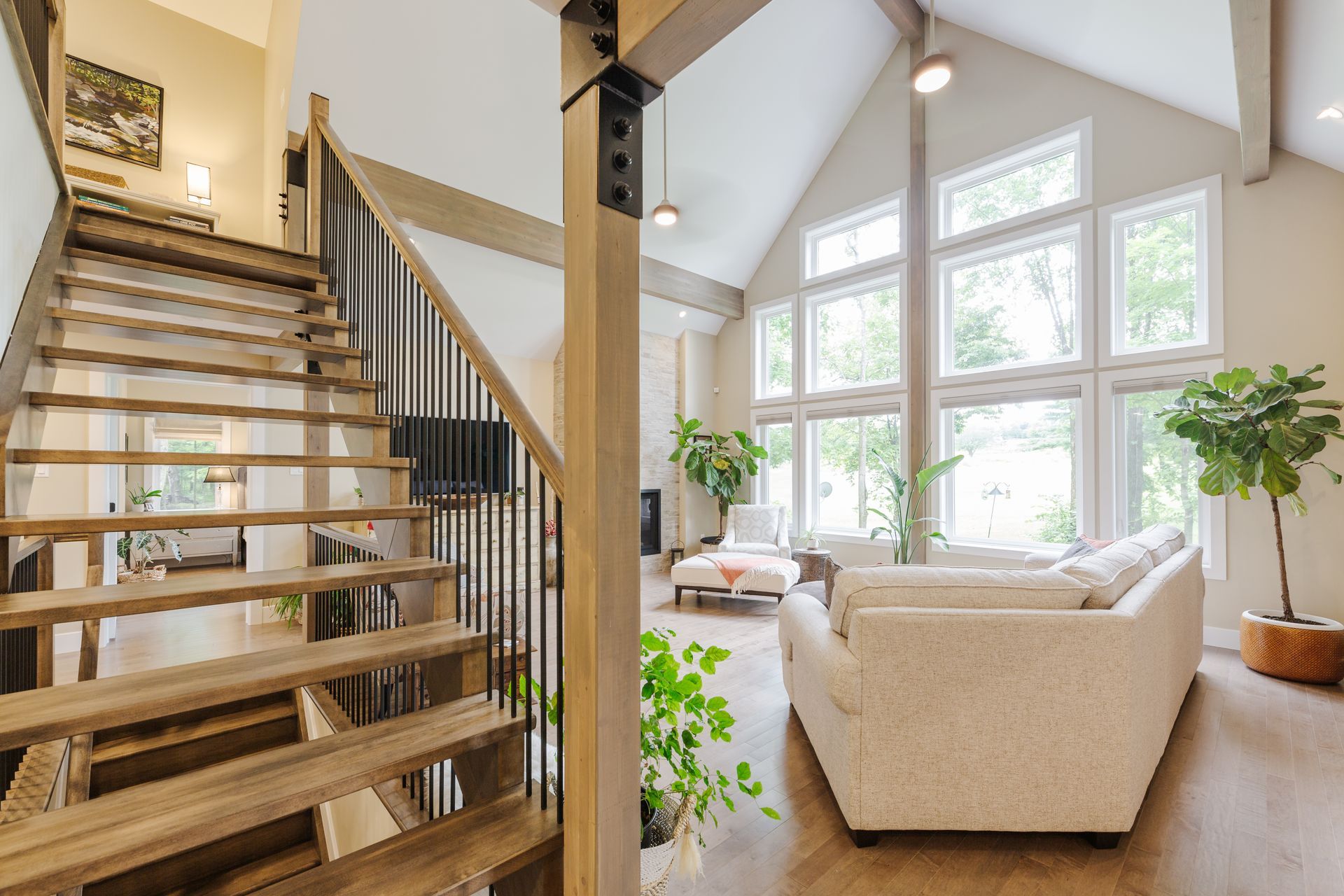
One of the most noticeable changes in 2026 interior design is the move away from cool greys and sterile whites toward warmer, grounding colours. Designers are embracing earthy tones such as terracotta, clay, olive green, and rich chocolate brown to create depth and warmth in interiors. These colours evoke nature and bring a sense of calm and stability to living spaces.  Warm neutrals such as creamy whites, champagne tones, and warm greys are also becoming popular base colours for walls and larger furniture pieces. These softer neutrals feel timeless and provide a perfect backdrop for layered décor and colourful accents.  Earth-inspired palettes pair beautifully with natural materials like wood, rattan, wool, and stone, helping interiors feel grounded and inviting.


Rich, Moodier Colours for Spring

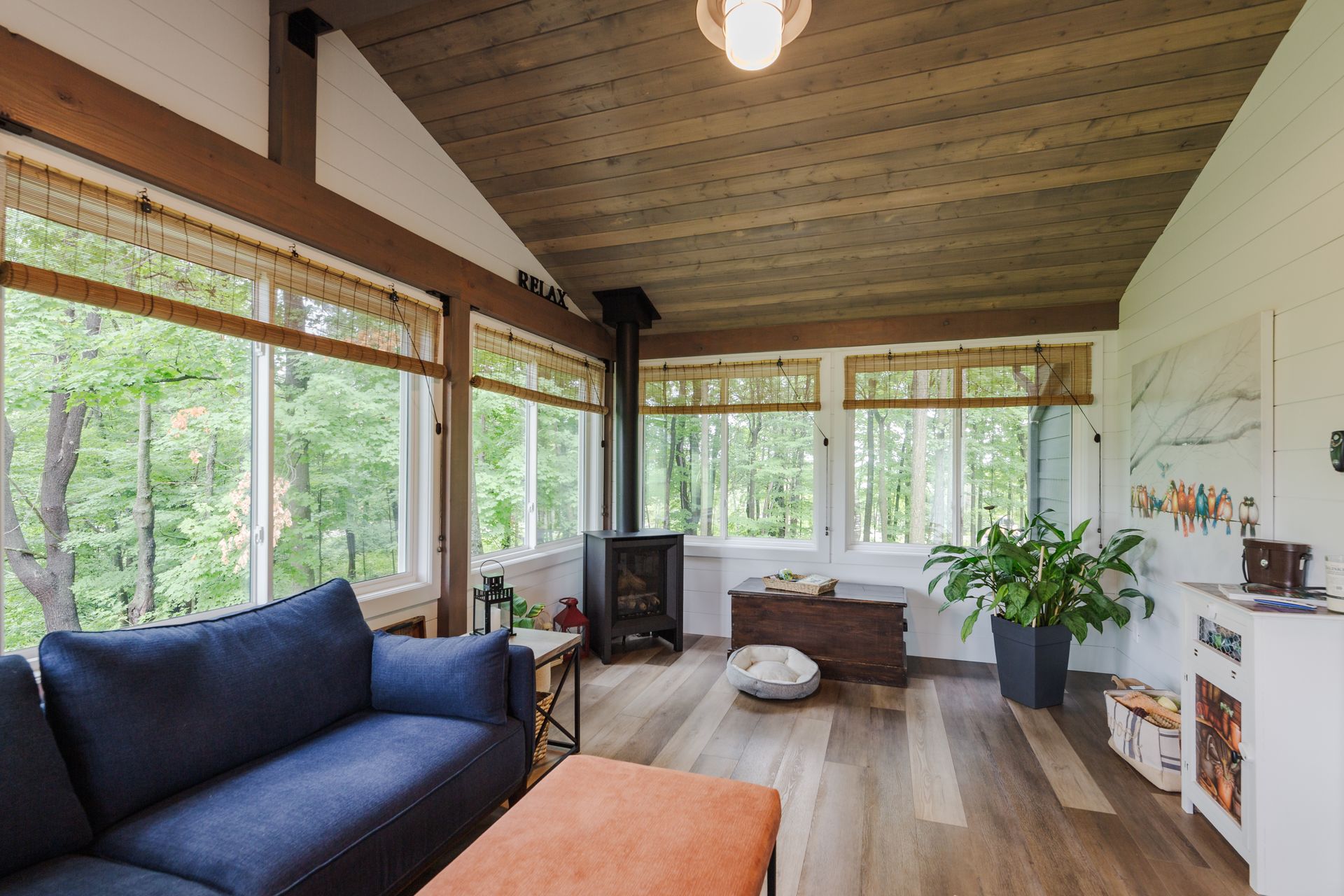
While spring traditionally brings pastel shades, Spring 2026 is taking a different direction. Designers are embracing deeper, more saturated tones such as mulberry, navy, ochre, and deep greens. These colours add character and sophistication while still feeling fresh when balanced with lighter neutrals. Botanical greens continue to be especially popular. Shades such as moss, olive, and eucalyptus function almost like neutrals because they pair so easily with natural materials and wood finishes. These colours bring the outdoors inside and help create calming environments.

Yellow is also making a joyful comeback this season. From soft butter yellow to deeper ochre tones, this colour adds brightness and warmth to kitchens, dining rooms, and entryways.


Statement Colours for Accents

Alongside warm neutrals, designers are incorporating bold accent colours to add energy and personality. Vibrant shades such as teal, electric fuchsia, and jewel tones are appearing in upholstery, decorative accessories, and statement furniture pieces.

These accent colours are often used sparingly through throw pillows, artwork, rugs, or accent chairs to create visual interest without overwhelming the space.


Curves and Organic Shapes

Furniture design in 2026 is embracing softer silhouettes and organic forms. Rounded sofas, curved coffee tables, and oval dining tables are replacing sharp angles and rigid lines. These shapes create a more relaxed, welcoming atmosphere while improving the flow of a room.  Curves also help soften architectural elements and create more comfortable conversation areas in living rooms and family spaces.


Layering Texture for Depth

Another major trend this spring is the layering of textures. Designers are combining materials such as linen, velvet, wool, stone, and natural wood to create spaces that feel rich and tactile. Textured walls, patterned fabrics, and vintage-inspired décor pieces add depth and character to interiors. Rather than focusing on a single statement item, designers are building layered spaces that feel curated and lived-in over time.

This approach creates interiors that feel personal and timeless rather than overly styled.


A Focus on Comfort and Personality

Ultimately, Spring 2026 interior design is about creating homes that reflect individuality and comfort. Homeowners are moving away from trend-driven minimalism and embracing spaces filled with meaningful pieces, warm colours, and natural textures. The result is a style that feels both elegant and approachable—homes that are beautiful but also designed for everyday living.


As you refresh your home this spring, consider incorporating warm earth tones, layered textures, and organic shapes to create a space that feels inviting, balanced, and timeless.

Let's chat about how I can help.

Schedule Your Free Consultation
By Barbara Emami March 9, 2026
Q: If you had to pick one thing to include in an interior what would it be? If I had to choose just one thing to include in every interior, it would be great lighting. Lighting is one of the most transformative elements in a space. It influences how colours appear, highlights architectural details, creates mood, and ultimately determines whether a room feels warm and welcoming or flat and uninspired. Even the most beautifully furnished room can feel incomplete if the lighting isn’t thoughtfully planned. I always recommend layered lighting rather than relying on a single overhead fixture. Combining ambient lighting, task lighting, and accent lighting allows a room to adapt to different needs throughout the day, from bright and functional to soft and relaxing in the evening. A Budget-Friendly Approach If you’re working with a smaller budget, the easiest way to improve a room instantly is by adding table lamps or floor lamps and switching to warm, dimmable bulbs. Many homes rely solely on ceiling fixtures, which can create harsh shadows and make a room feel cold. A pair of lamps placed on side tables, a console, or a reading corner adds warmth and balance without requiring electrical work. Another affordable upgrade is installing cordless magnetic wall sconces or adding dimmer switches where possible. Dimmers are a small investment that dramatically increase flexibility, allowing you to change the mood of a space with a simple adjustment. Even simply replacing outdated lampshades or choosing bulbs with a warmer temperature (around 2700K) can make a noticeable difference. A Splurge Worth Making If the budget allows, I would invest in a statement lighting fixture combined with professionally planned layered lighting. A beautiful chandelier, sculptural pendant, or designer fixture can serve as the focal point of a room and elevate the entire interior. Lighting becomes both functional and artistic, almost like jewellery for the home. At the same time, a thoughtful lighting plan might include recessed lighting, architectural sconces, picture lights for artwork, and integrated cabinet lighting. These layers allow you to highlight architectural features, illuminate work areas, and create atmosphere. Custom lighting plans also consider how light moves through the space during the day and evening, ensuring every corner of the room feels intentional and comfortable. Why Lighting Matters So Much Furniture, paint colours, and accessories are all important, but lighting is what allows you to experience the room properly. It shapes the atmosphere and determines how every other design element is perceived. When lighting is done well, the room feels balanced, inviting, and thoughtfully designed even if the furnishings are simple. In many ways, lighting is the foundation of great interior design. Whether through a few well-placed lamps or a stunning designer fixture, it’s the one element that can truly transform a space.
By Barbara Emami March 9, 2026
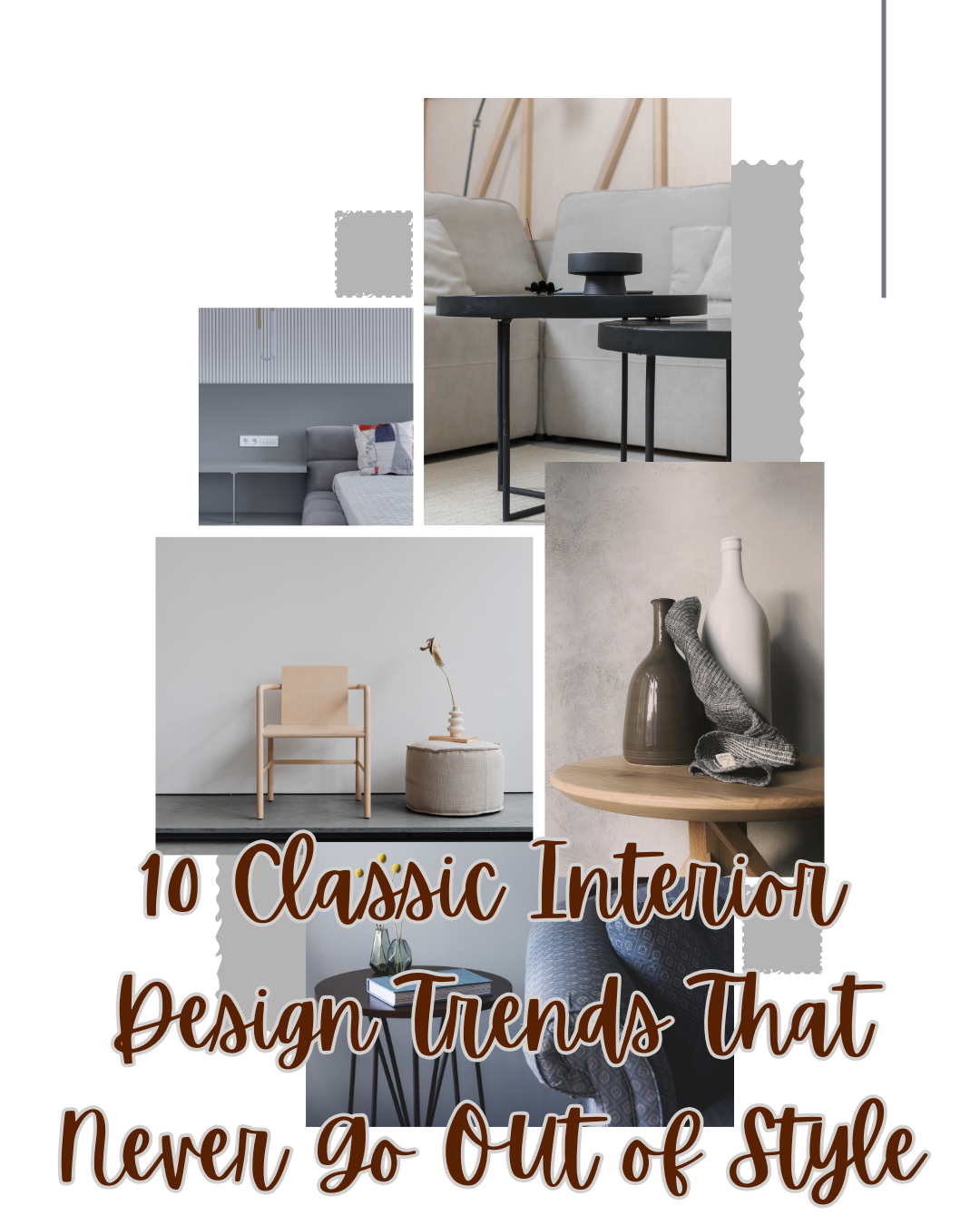
Interior design trends come and go, but some styles stand the test of time. Classic interior design trends offer a sense of permanence, elegance, and balance that continues to inspire homeowners and designers year after year. While modern influences may shift colour palettes or materials, these foundational design principles remain timeless. If you’re planning a home refresh or renovation, incorporating classic design trends ensures your space will feel sophisticated and relevant for years to come. Below are ten enduring interior design trends that continue to define beautiful homes. 1. Neutral Colour Palettes Neutral tones are the backbone of classic interiors. Shades such as soft whites, warm beiges, greys, and muted taupes create a calming and versatile foundation for any room. A neutral palette allows furniture, artwork, and architectural details to stand out without overwhelming the space. It also provides flexibility, making it easy to update accessories or textiles without completely redesigning the room. Soft neutrals layered with natural textures help create warmth while maintaining a refined aesthetic. 2. Architectural Details and Millwork Timeless homes often feature beautiful architectural details that add character and sophistication. Crown moulding, wainscoting, wall panelling, and coffered ceilings create depth and visual interest. These details instantly elevate a room and add a sense of craftsmanship that modern minimalist spaces sometimes lack. Even simple trim upgrades can dramatically improve the overall look of a home. Architectural details are one of the most effective ways to bring a classic design feel into newer homes. 3. Natural Materials Classic interiors celebrate the beauty of natural materials. Wood, stone, marble, linen, and wool are commonly used because they bring texture, durability, and authenticity to a space. Hardwood flooring remains one of the most sought-after design elements, while stone countertops and marble accents add elegance and longevity. Natural materials age gracefully, developing character over time while maintaining their timeless appeal. 4. Statement Lighting Lighting plays a crucial role in classic interior design. Instead of relying on a single overhead fixture, timeless interiors use layered lighting to create ambiance and functionality. Chandeliers, wall sconces, and table lamps help distribute light throughout a room while also acting as decorative features. Statement lighting fixtures, particularly over dining tables or in entryways, create a focal point that enhances the overall design. 5. Balanced Furniture Layouts Symmetry is a key element of traditional interior design. Balanced furniture arrangements create a sense of harmony and order that feels comfortable and visually pleasing. For example, a pair of armchairs opposite a sofa, matching table lamps, or symmetrical built-ins around a fireplace can create a structured and welcoming environment. This balanced approach to layout helps rooms feel cohesive and thoughtfully designed. 6. Quality Over Quantity Classic design prioritizes well-crafted furniture and fewer, more meaningful pieces. Investing in quality furniture ensures longevity while maintaining the elegance of a space. Solid wood tables, tailored upholstery, and handcrafted cabinetry are examples of pieces that never go out of style. Rather than filling a room with many items, classic interiors focus on curated selections that offer both beauty and function. 7. Timeless Patterns Certain patterns remain popular across generations. Stripes, florals, plaids, and subtle geometric designs are commonly used in upholstery, wallpaper, and textiles. When used thoughtfully, patterns add personality without overpowering the room. Classic interiors often mix patterns in complementary scales to create depth and visual interest while maintaining a cohesive colour palette. 8. Built-In Storage Beautiful storage solutions are a hallmark of well-designed homes. Built-in cabinetry, bookshelves, and window seats maximize functionality while enhancing architectural interest. Custom storage allows homeowners to maintain clean, organized spaces without sacrificing style. Whether in living rooms, kitchens, or home offices, built-ins add both practicality and timeless appeal. 9. Art and Personal Collections Artwork plays an essential role in classic interiors. Thoughtfully chosen art pieces bring personality, history, and meaning into a space. Gallery walls, framed prints, sculptures, and curated collections help tell the story of the homeowner while adding visual richness. Classic interiors often balance large statement pieces with smaller artworks to create an engaging and layered environment. 10. Layered Textiles Textiles bring warmth and comfort to a room. Rugs, curtains, throw blankets, and cushions help soften architectural elements while adding colour and texture. Layering textiles is especially important in living rooms and bedrooms where comfort is key. Natural fabrics such as cotton, linen, wool, and velvet enhance the tactile experience of a space and contribute to the timeless feel of classic interiors. Creating a Home That Lasts While design trends evolve each year, these classic interior design principles continue to guide beautiful and functional homes. By combining neutral foundations, quality materials, thoughtful layouts, and personal touches, homeowners can create spaces that remain stylish for decades. Timeless design isn’t about following trends, it’s about building a home that reflects elegance, comfort, and enduring style.
By Barbara Emami December 31, 2025
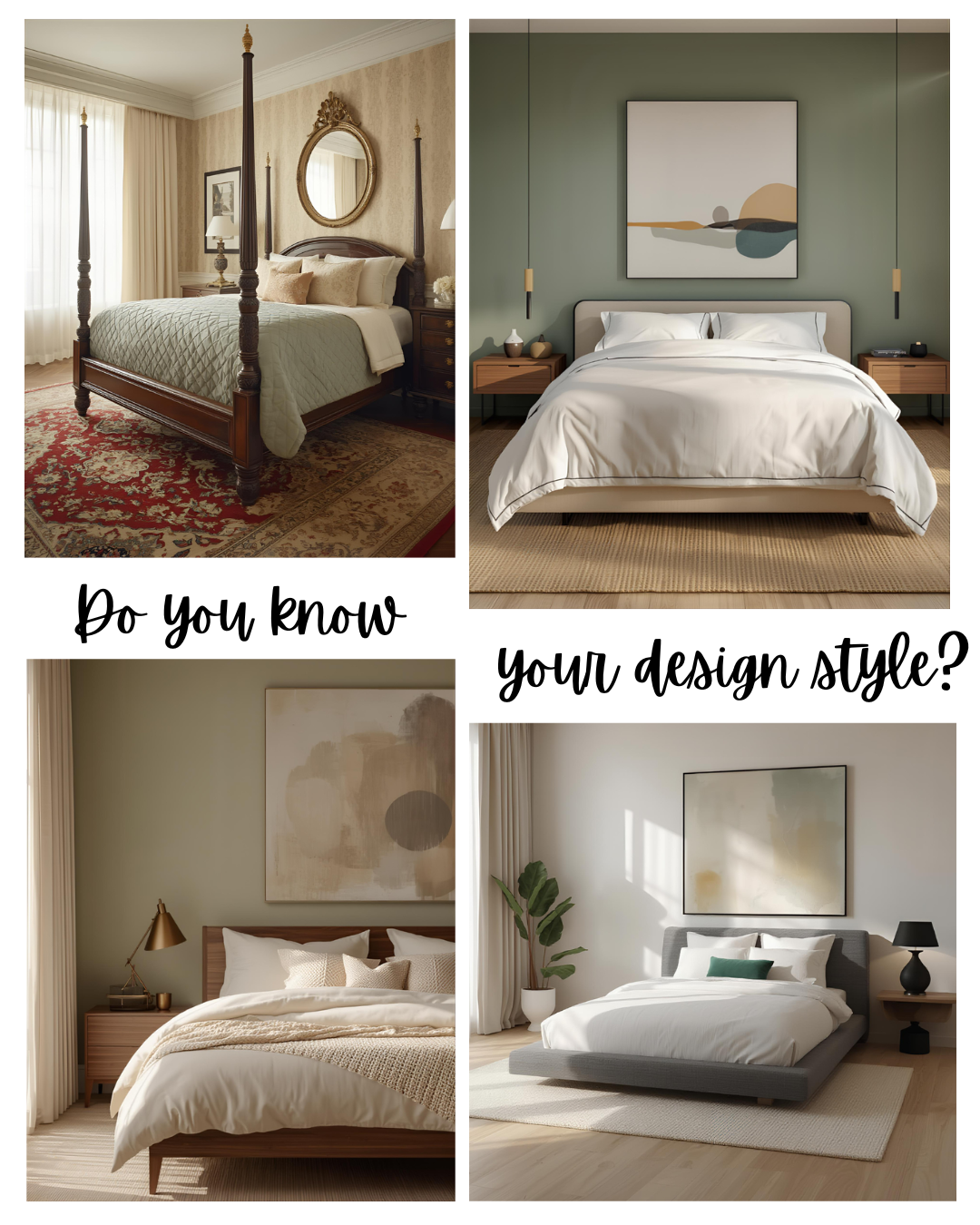
The Four Main Classic Styles of Interior Design Understanding classic interior design styles helps homeowners make confident, informed decisions when designing or remodeling their spaces. While trends evolve, these four enduring styles, Traditional, Transitional, Contemporary, and Modern continue to shape beautiful, livable homes. Whether you are planning a full renovation or refreshing a single room, identifying the style that best suits your lifestyle is the first step toward a cohesive and timeless interior. (Learn more about our Interior Design Services .) Traditional Interior Design Style Traditional interior design is rooted in history, craftsmanship, and timeless elegance. Inspired by European and early American interiors, this style emphasizes symmetry, classic detailing, and a sense of permanence that never goes out of style. Furniture in traditional interiors is refined and substantial. Wood pieces in rich finishes such as cherry, walnut, or mahogany anchor the space, while upholstered furnishings, think rolled-arm sofas, wingback chairs, and tailored accent chairs, add comfort and familiarity. These are pieces designed to last, both in quality and aesthetic appeal. Color palettes are warm and layered. Soft neutrals like cream, beige, and taupe provide a welcoming backdrop, while deeper hues such as navy, forest green, or burgundy add depth and contrast. Pattern is often introduced through textiles, including subtle florals, stripes, or damasks. Architectural details are a defining element of traditional design. Crown molding, wainscoting, built-in cabinetry, and decorative trim add character and visual interest. Lighting is thoughtfully layered using chandeliers, sconces, and table lamps to create a warm, inviting glow. Traditional interior design is ideal for homeowners who value elegance, comfort, and timeless beauty. (Explore our Interior Design Services to see how we can bring classic elegance to your home.) Transitional Interior Design Style Transitional interior design blends the best of traditional and contemporary styles, creating spaces that feel polished, current, and highly livable. It is one of the most popular design styles today due to its versatility and broad appeal. Furniture in transitional homes is comfortable yet streamlined. Ornate details are softened, silhouettes are cleaner, and upholstery focuses on texture rather than pattern. The result is a relaxed elegance that feels intentional without being formal. Color palettes are calm and cohesive, often centered around soft neutrals such as ivory, beige, gray, and warm whites. Visual interest comes from layering textures such as linen, leather, wood, stone, and metal rather than bold color contrasts. Transitional design thrives on balance. Classic furniture shapes or architectural elements are paired with modern lighting, minimal accessories, or contemporary artwork. This thoughtful mix keeps interiors feeling timeless while still fresh. This style is ideal for homeowners seeking a long-term design that adapts easily as tastes evolve. (Learn more in our Design Philosophy .) Contemporary Interior Design Style Contemporary interior design reflects how we live today. Rather than being tied to a specific era, it evolves with current influences, technology, and lifestyles, resulting in interiors that feel clean, intentional, and sophisticated. This style emphasizes open spaces, strong lines, and minimal clutter. Furniture is often streamlined and sculptural, allowing materials and form to take center stage. Every piece is carefully chosen, reinforcing a “less but better” approach to design. Neutral color palettes form the foundation of contemporary interiors, with whites, grays, and soft earth tones creating a serene backdrop. Bold accents introduced through art, lighting, or statement furniture add personality and contrast. Lighting is a defining feature. Architectural lighting, statement pendants, and layered illumination enhance both function and ambiance, ensuring the space feels welcoming throughout the day. Contemporary design is ideal for homeowners who appreciate simplicity, innovation, and refined aesthetics. Modern Interior Design Style Modern interior design originated in the early to mid-20th century and is grounded in the principle that form follows function. This style focuses on clean lines, honest materials, and purposeful design choices that stand the test of time. Modern interiors favor open layouts and uncluttered spaces. Furniture is streamlined and functional, often featuring low profiles, straight lines, and minimal ornamentation. Each element serves a purpose, creating a sense of calm and balance. Natural materials play a central role. Warm woods, stone, leather, and metal add texture and depth, preventing the space from feeling stark. These materials age gracefully, reinforcing the timeless nature of modern design. Color palettes are restrained and harmonious, built around whites, grays, and warm neutrals. Pops of color are used sparingly, allowing architecture and materials to remain the focal point. Modern design appeals to homeowners who value clarity, intentional living, and understated elegance. Choosing the Right Interior Design Style for Your Home Each of these classic interior design styles offers a unique approach to creating a beautiful home. The right choice often comes down to how you live, what makes you feel most comfortable, and how you want your space to function day to day. Working with a professional interior designer helps translate these styles into a home that feels cohesive, personal, and timeless. (Learn more about our Interior Design Services or call us to chat about your personal style.